
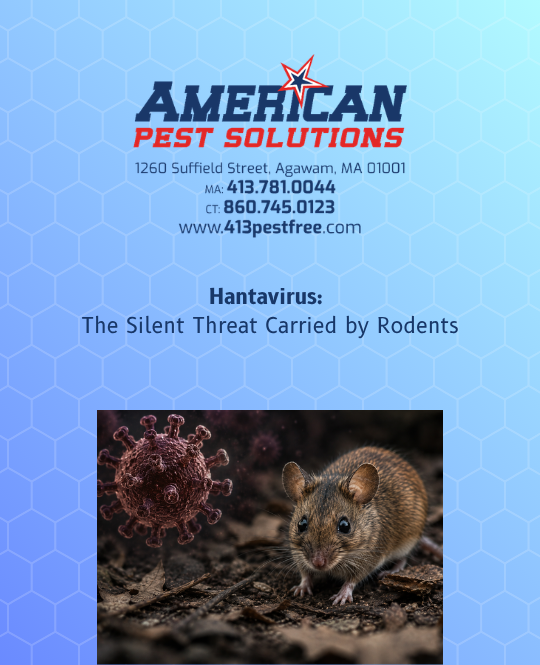
Hantavirus: The Silent Threat Carried by Rodents
When most people think about dangers lurking in their home or workspaces, they picture mold, termites, or maybe carbon monoxide. Few consider a virus carried by something as common as a mouse. Yet Hantavirus – a rare but potentially deadly disease – continues to pose a serious health risk across the United States.
Understanding what hantavirus is, how it spreads, and how to prevent exposure can make all the difference.
What is Hantavirus?
Hantavirus refers to a family of viruses spread mainly by rodents. In North America, the most concerning strain is the Sin Nombre virus, commonly carried by deer mice. Humans can become infected when they breathe airborne particles contaminated with rodent urine, droppings, or saliva.
While cases are relatively rare, the illness it causes can be severe and sometimes fatal. According to the CDC, Hantavirus has a mortality rate of nearly 40% in symptomatic cases.
How People Get Infected
Most infections occur after disturbing areas where rodents have been living undisturbed for long periods. Common exposure sites include:
Garages
Sheds
Cabins
Barns
Attics
Crawl Spaces
Storage units
Sweeping or vacuuming dried rodent droppings is especially dangerous because it can cause virus particles to become airborne where they are easily inhaled.
Early Symptoms of Hantavirus Pulmonary Syndrome (HPS)
One of the challenges with hantavirus is that early symptoms often resemble common illnesses like the Flu
Fever
Fatigue
Muscle Aches
Headaches
Chills
Nausea or vomiting
Within a few days, more severe respiratory symptoms can develop, including:
Shortness of breath
Coughing
Chest Tightness
Fluid buildup in the lungs
Symptoms escalate quickly, so immediate medical attention is critical
Rodent Prevention Matters
Rodent infestations are more than a nuisance. Mice and rats contaminate surfaces, damage property, and introduce serious health hazards into homes and businesses.
The best defence against hantavirus is preventing rodents from entering and nesting indoors in the first place.
Hantavirus may be uncommon, but the consequences can be devastating. Awareness, prevention, and proactive rodent control remain the best tools for protecting your home, family, and workplace.
If you notice signs of rodent activity such as droppings, scratching in the walls, or nesting materials, it’s important to act quickly and safely.
A small mouse problem can become a much larger health concern if ignored.