From The Good Guys at American Pest Solutions
When most people in New England think about ants, they think about carpenter ants – and for good reason. But they’re not the only ants making themselves at home in our region.
During Ant Awareness Week, the Good Guys are here to introduce you to some of the other common ants we see across Massachusetts and Connecticut– what they might mean for your home or business.
Because when you know what you’re dealing with, you can protect your space (and your peace of mind) a whole lot easier.
Odorous House Ants (“The Sneaky Sugar Lovers”)
These are one of the most common ants we get calls about – especially in kitchens.
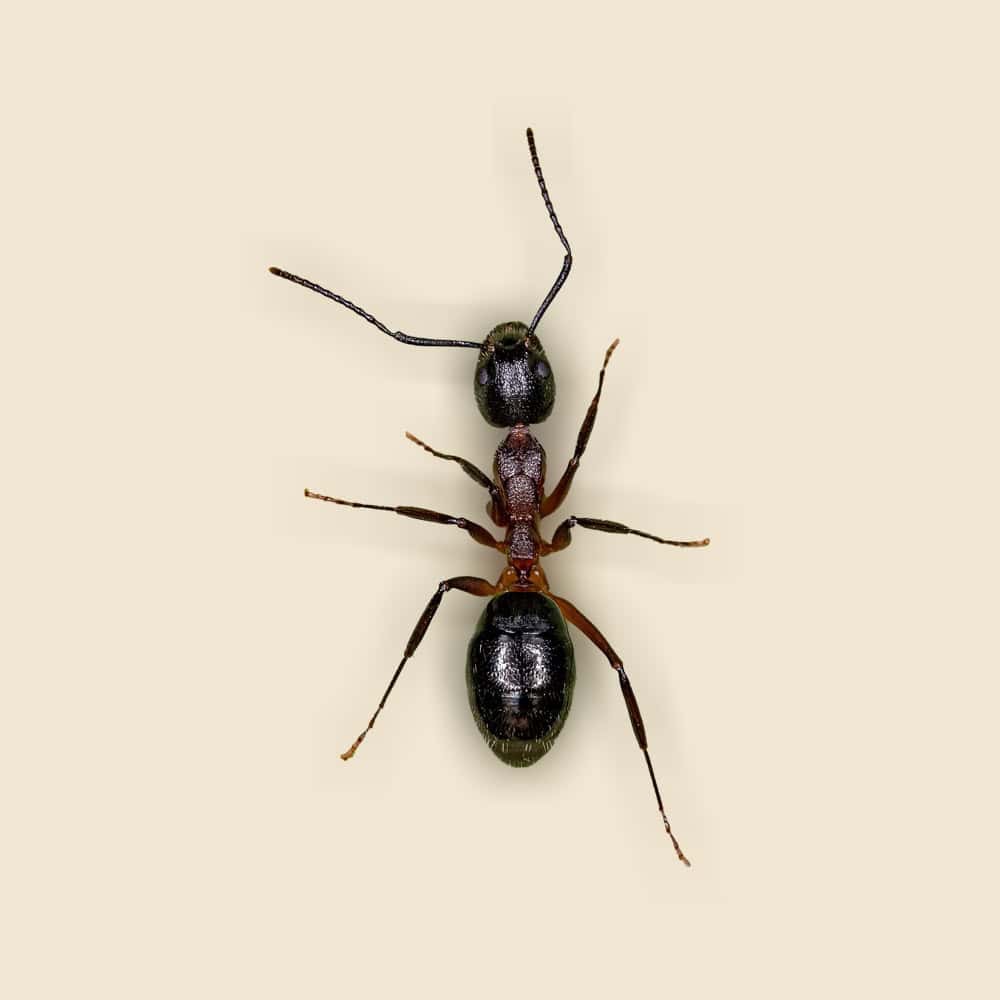
Hot to spot them:
- Small (about ⅛ inch)
- Brown or black
- Found trailing along counters, sinks, and baseboards
Fun (but slightly weird) fact:
- When crushed, they give off a smell similar to rotten coconut.
Why they show up:
- They LOVE sugary foods
- Often come inside during rainy weather or when outdoor food sources dry up
What it means for you:
- They’re more of a nuisance than a threat, but once they find a food source, they’ll keep coming back.
Pavement Ants (“The Sidewalk Invaders”)
You’ve definitely seen these ants – even if you didn’t know their name.
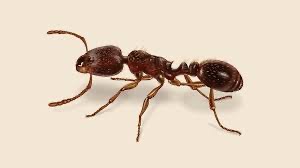
Hot to spot them:
- Dark brown to black
- Nest in cracks of sidewalks, driveways, and foundations
- Leave begins small piles of sand or soil
Why they show up:
- Enter homes through tiny foundation cracks
- Searching for crumbs, grease, or pet food
What it means for you:
- They don’t cause structural damage, but they can quickly become a recurring indoor problem if entry points aren't addressed.
Little Black Ants (“The Tiny Troublemakers”)
Don’t let their size fool you – these ants are persistent.

Hot to spot them:
- Very small (1/16 inch)
- Jet black
- Often found in large numbers
Why they show up:
- Attracted to sweets, oils, and crumbs
- Can nest both indoors and outdoors
What it means for you:
- Because of their size, they can slip through the tiniest openings – making them hard to fully eliminate without a proper plan.
Pharaoh Ants (“The Hard-to-Control Ones”)
These are less common – but when they show up, they require extra attention.

Hot to spot them:
- Very tiny (about 1/16 inch)
- Yellow to light brown
- Often found in warm indoor areas (walls, behind appliances)
Why they show up:
- Thrive in heated buildings year-round
- Spread quickly due to multiple queens
What it means for you:
- DIY methods can actually make things worse by causing colonies to split (yep… more ants). These are best handled with professional guidance.
Acrobat Ants (“The Flexible Invaders”)
Named for their unique defensive posture, these ants are a bit more unusual – but still show up in the Northeast.
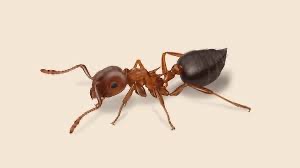
How to spot them:
- Light brown to dark brown
- Raise their abdomen over their head when disturbed
Why they show up:
- Nest in damp or decaying wood
- May move indoors if outdoors conditions change
What it means for you:
- While they don’t damage wood like carpenter ants, their presence can sometimes point to moisture issues nearby.
Carpenter Ants (“The Uninvited Contractors”)
Carpenter ants are one of the most common – and most misunderstood– ants here in New England. Unlike termites, they don’t eat wood… but they do tunnel through it, which can lead to structural damage over time if left unchecked.

How to spot them:
- Larger than most ants (¼ - ½ inch)
- Black but can also have reddish tones
- Pinched waist with a smooth, rounded thorax
Why they show up:
- Areas affected by leaks or water damage
- Damp basements, crawl spaces, or attics
- Wood around windows, doors, or rooflines that have been exposed to the elements
What it means for you:
- There may be an active nest nearby – or inside your home
- There may be an underlying moisture issue that needs attention
- Left untreated, they can expand their galleries and cause damage over time
They don’t create the problem – they take advantage of it.
What Do All These Ants Have in Common?
No matter the species, most ants are coming inside for three simple reasons:
Food (crumbs, sugar, grease)
Water (especially during dry or rainy periods)
Shelter (temperature changes in New England play a big role)
From the Good Guys: What Homeowners Should Know
Ants might be small – but the frustration they bring into your home? Not so small.
The key isn't just getting rid of the ants you see – it’s understanding:
- Where they’re coming from
- Why they’re choosing your space
- How to stop them from coming back
That’s where we come in.
At American Pest Solutions, we take a thoughtful, neighborly approach to pest management – focused on protecting your home, your family, and your quality of life.
Ant Awareness Week Takeaway
If you’re spotting ants in your home this spring, you’re definitely not alone – and it’s not a sign your home is “dirty.” It simply means the conditions are right for them right now.
The good news?
With the right plan in place, we can make those conditions work against them.
Give our team a call today if you’re experiencing any ant activity this season – we are here to support you!